Miracle Musical

Miracle Musical

Joe Hawley's post-Tally Hall alter ego turned one cryptic concept album into a slow-burning cult phenomenon.

Joe Hawley's post-Tally Hall alter ego turned one cryptic concept album into a slow-burning cult phenomenon.

MOODS · cryptic · theatrical · psychedelic · cinematic · whimsical · dramatic · nostalgic · dark · atmospheric · narrative-driven · orchestral · eccentric

BIOGRAPHY

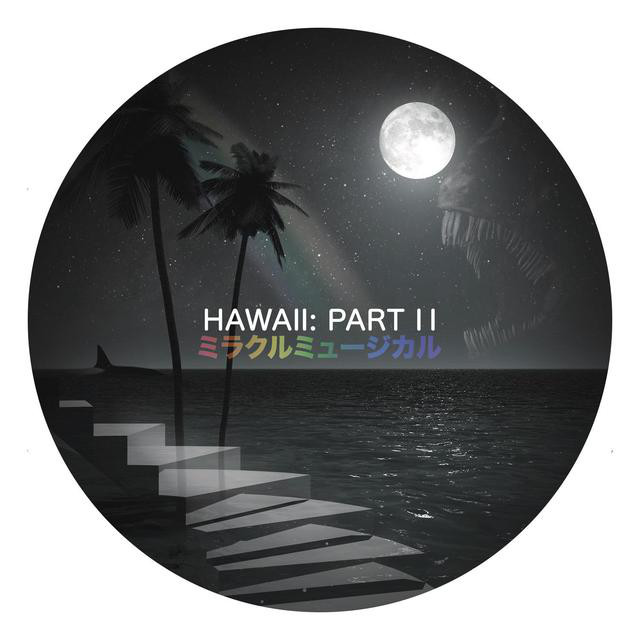
Miracle Musical (stylized cf3 3c30 as 30df 30e9 30af 30eb 30df 30e5 30fc 30b8 30ab 30eb) is the solo project of American musician Joe Hawley, born September 23, 1982, in Bloomfield Hills, Michigan, best known as lead singer and guitarist of the indie rock band Tally Hall, which he formed in 2002. After Tally Hall entered hiatus in 2011, Hawley began working under the Miracle Musical name, releasing the single "Variations on a Cloud" in September 2012 and the concept album Hawaii: Part II that December. The album was produced and coordinated by Ross Federman and Bora Karaca and features contributions from Tally Hall bandmates Zubin Sedghi and Rob Cantor, plus vocalists Madi Diaz, Stephanie Koenig, Ashley Renee, Charlene Kaye, and Shane Maux. Hawley followed the album with two archival releases: Hawaii: Part II: Part ii (2014), a collection of instrumentals, demos, and outtakes including material originally intended for Tally Hall, and an 8-bit chiptune remix EP the next year.

WHY THEY'RE COOL

Miracle Musical stands out for a wholly cryptic concept album built around a fictional narrative that listeners still debate. Hawaii: Part II drew together an unusual cast, Tally Hall members Zubin Sedghi and Rob Cantor alongside outside vocalists like Madi Diaz and Charlene Kaye, into a dense, theatrical song cycle. Tracks such as "Murders," "The Mind Electric," and "Dream Sweet in Sea Major" found new life years later on TikTok, turning a niche 2012 side project into a recurring viral touchstone. Hawley's refusal to expand the story with sequels only deepened its mystique, leaving the album as a singular, self-contained artifact rather than a franchise.

GEORGE'S PLAYS

First time on the station.