WOKE-1tune in
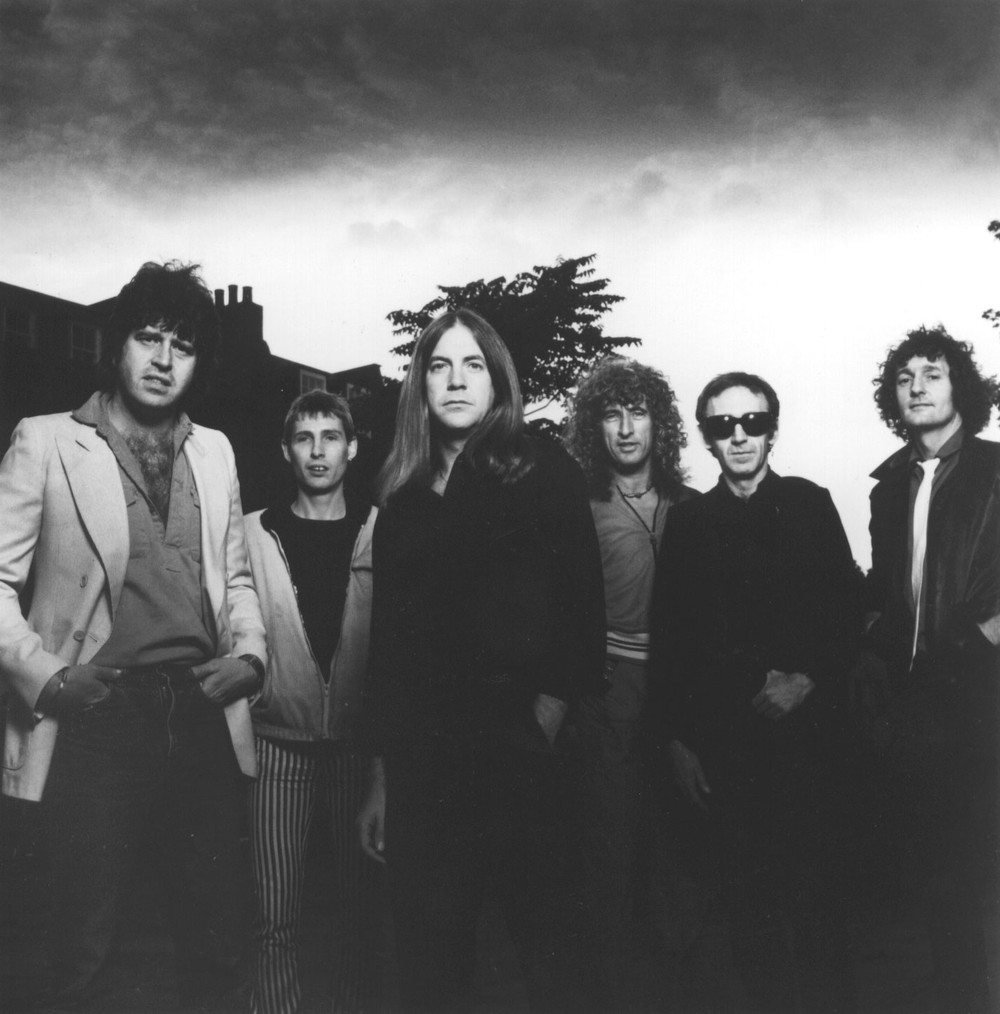
The Pretty Things

The Pretty Things

English R&B outfit turned early prog innovators, whose 1968 rock opera S.F. Sorrow drew cover versions from David Bowie.

APPLE MUSIC

Private Sorrow

The Pretty Things

About

MOODS · raw · bluesy · garage grit · psychedelic · theatrical · restless · British Invasion energy · adventurous · moody · driving

BIOGRAPHY

The Pretty Things formed in September 1963 in Sidcup, Kent, built around vocalist Phil May and guitarist Dick Taylor, with John Stax on bass, Brian Pendleton on guitar and, after an early lineup change, Viv Prince on drums. Drawing heavily on Bo Diddley, the band became a defining force in London's blues rock and R&B scene, cutting a hard, garage-leaning sound that stood alongside the era's bigger British Invasion names. From 1967 to 1975 their music shifted into progressive rock and psychedelia, culminating in 1968's S.F. Sorrow, often cited as one of rock's first concept albums. The band released five studio albums, four EPs and fifteen UK singles, including chart entries "Don't Bring Me Down" and "Honey I Need." In 1973 David Bowie recorded both "Rosalyn" and "Don't Bring Me Down" on his Pin Ups album, a nod to the Pretty Things' standing among their peers.

WHY THEY'RE COOL

Few bands trace a line from raw Bo Diddley-inflected R&B to full-blown psychedelic concept albums as distinctly as The Pretty Things. S.F. Sorrow pushed the band into early rock opera territory well ahead of the form's more famous entries, and the record's reach was confirmed when David Bowie chose two of their songs for Pin Ups in 1973. Across five studio albums and a run of UK singles, the band's restless shift from beat and garage rock into progressive sounds marks them as genuine shapers of the era rather than mere followers of it.

ON WOKE-1

First play on WOKE-1.