WOKE-1tune in
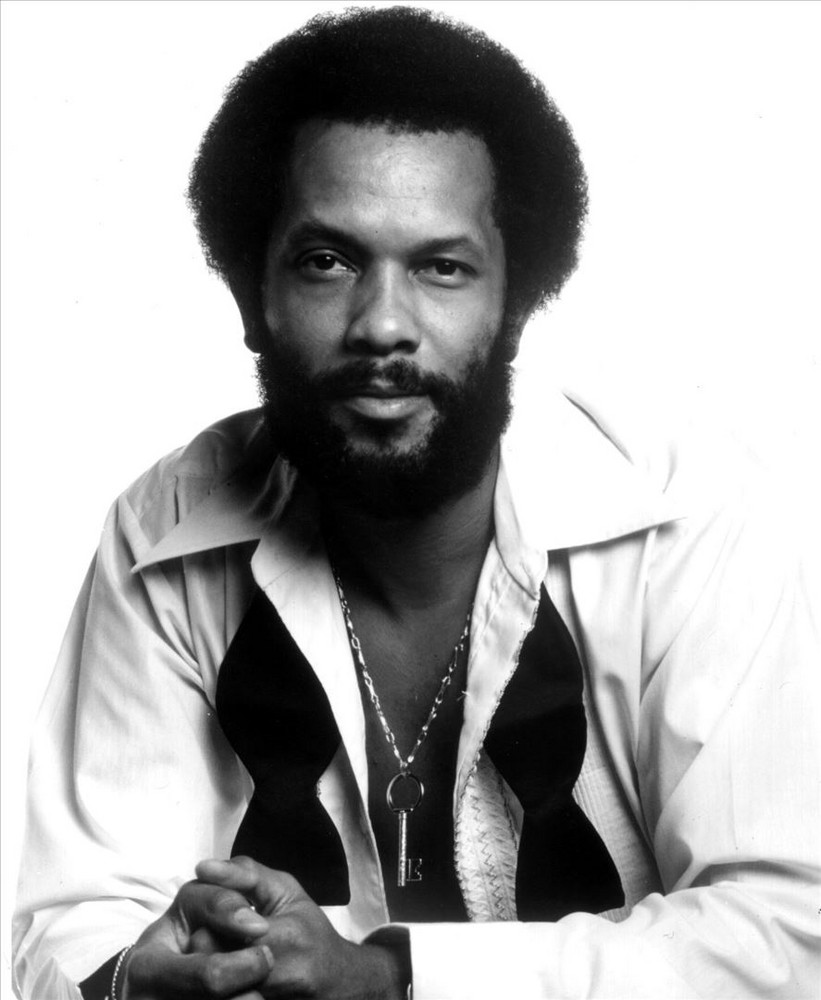
Roy Ayers Ubiquity

Roy Ayers Ubiquity

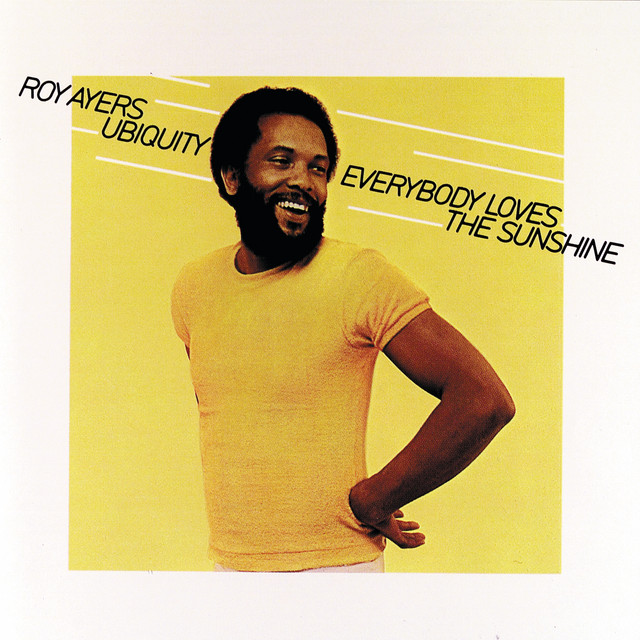
Everybody Loves The Sunshine

Roy Ayers Ubiquity fused jazz, funk and soul into a sound that became the bedrock of neo-soul, acid jazz and countless hip-hop samples.

APPLE MUSIC

Everybody Loves The Sunshine

Roy Ayers Ubiquity

About

MOODS · funky · soulful · groovy · jazzy · warm · sun-soaked · danceable · smooth · nostalgic · uplifting · rhythmic · mellow

BIOGRAPHY

Formed in the early 1970s by vibraphonist Roy Ayers, who chose the name Ubiquity to reflect being everywhere at once, the group grew out of Ayers' rise to prominence after joining jazz flautist Herbie Mann in 1966. On Polydor Records, Ubiquity released a string of genre-blurring albums including He's Coming (1972), Red, Black & Green (1973), Everybody Loves the Sunshine (1976) and Lifeline (1977). Everybody Loves the Sunshine peaked at number 51 on the Billboard 200, and its title track was later ranked number 72 on Pitchfork's '200 Best Songs of the 1970s' list. AllMusic praised the band's 1970 self-titled album for its male/female vocal interplay and cinematic arrangements, calling it 'an outstanding record.' Jazz purists criticized Ayers for shifting toward vocal-driven soul and funk, but R&B audiences embraced the change, and his catalog became a foundation for neo-soul.

WHY THEY'RE COOL

Roy Ayers Ubiquity bridged jazz, funk and soul with a vibraphone-led sound that stayed instrumentally sharp even as it leaned into vocal grooves. The catalog, especially Everybody Loves the Sunshine, became a cornerstone sampled widely by hip-hop and house producers and cited as a touchstone of neo-soul. Despite early pushback from jazz purists over the pivot to vocal material, the music earned lasting critical recognition, including praise from AllMusic and a spot on Pitchfork's list of the best songs of the 1970s.

ON WOKE-1

Played 10 times on WOKE-1.